Play Pattern Analysis and Reward Mechanisms in UK Casino Apps
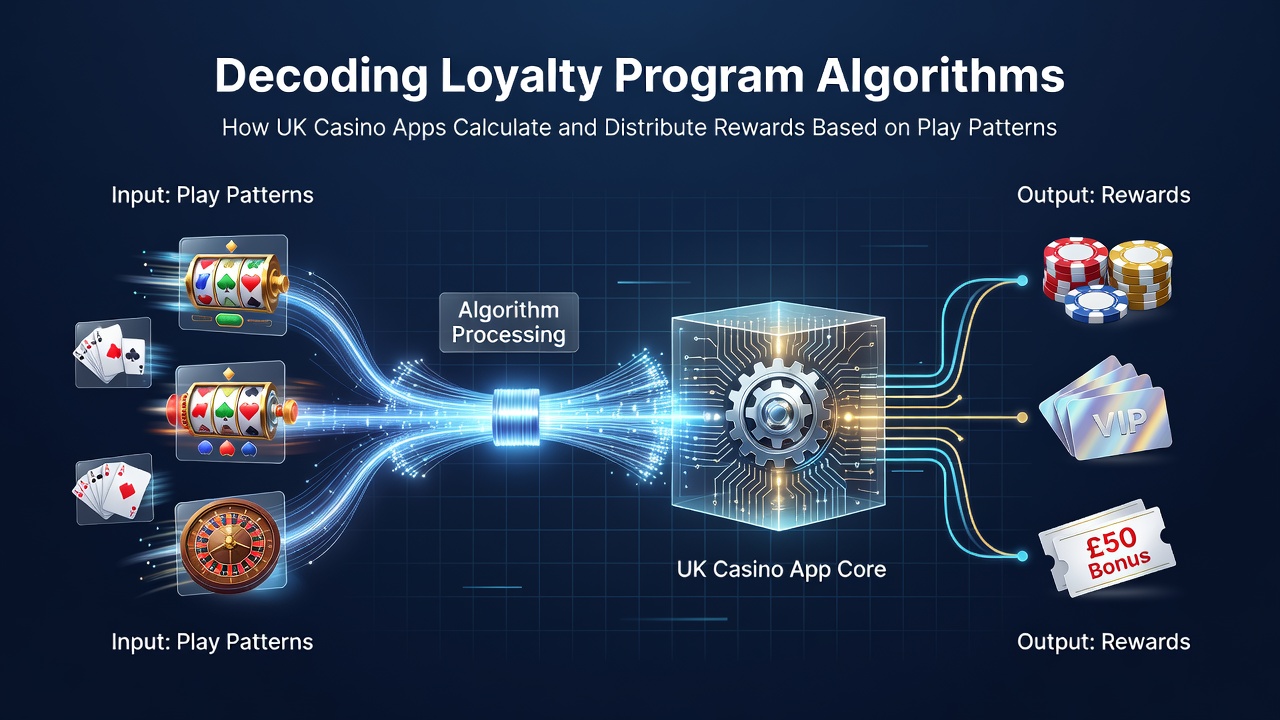
UK casino apps track extensive player data to determine rewards, and this process relies on algorithms that evaluate betting volume, session frequency, and game selection over time. Operators collect metrics such as total wagers placed, average bet size, and duration of play sessions, then feed these into scoring systems that assign points or tier levels. Data shows that higher wager amounts typically accelerate point accumulation, while consistent activity across multiple days can trigger multipliers according to reports from industry analysis firms.
Algorithms often apply weighted formulas where recent play carries more influence than older patterns, and this recency bias helps platforms adjust offers dynamically. For instance, a player who increases bet sizes during peak hours might receive targeted bonuses faster than one with sporadic low-stake activity. Studies from academic institutions indicate that volatility of chosen games also factors in, since slots with higher variance can lead to adjusted reward rates compared to table games.
Core Components of Calculation Models
Most systems break down rewards into base points earned per pound wagered, then layer additional modifiers based on loyalty tier and promotional periods. A standard calculation might award one point for every ten pounds bet on standard slots, yet this rate can rise to one point per five pounds during weekend events or for specific game categories. Observers note that deposit frequency and withdrawal patterns sometimes influence eligibility for higher multipliers, though these elements remain secondary to direct play volume in primary models.
Segmentation occurs when algorithms group users by behavioral clusters, such as high-frequency short sessions versus extended low-stake play. Those clusters determine which reward types activate next, whether instant credits or free spins. Research indicates that cross-device tracking ensures points carry over accurately, preventing loss of progress when players switch between phones and tablets. In September 2026 several platforms introduced enhanced clustering techniques that incorporate time-of-day preferences, allowing more precise distribution of time-limited offers.
Distribution Channels and Triggers
Rewards reach players through automated systems that monitor threshold crossings, such as reaching a set point total or completing a streak of consecutive login days. Cashback percentages often scale with tier status, starting at one percent for entry levels and climbing to five percent or higher for top segments. Bonuses may unlock after a fixed number of qualifying spins or bets, and these triggers reset on a weekly or monthly cycle depending on the operator's schedule.
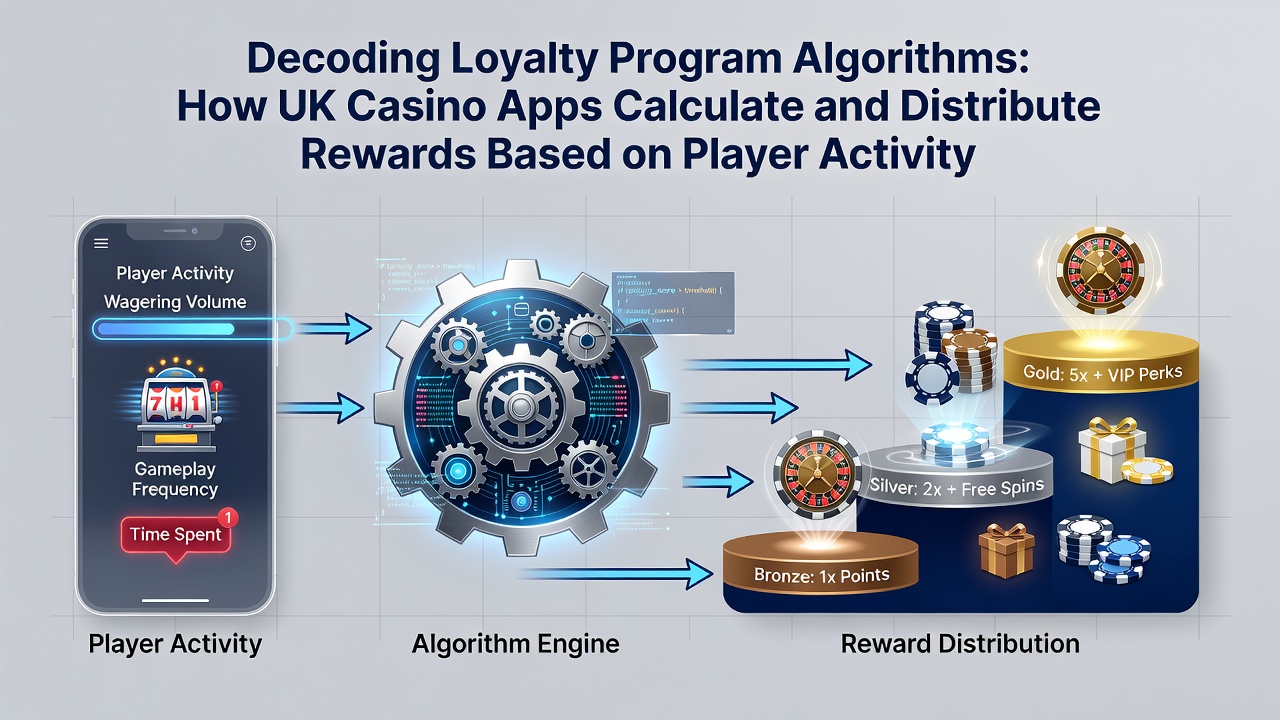
Personalized campaigns rely on predictive elements within the algorithms, which forecast future activity from historical sequences. A player demonstrating steady growth in session length might receive an invitation to a VIP event, while another showing declining engagement could see recovery incentives appear in the app interface. According to findings published by the University of Nevada, Las Vegas International Gaming Institute, such predictive adjustments help maintain retention rates across mobile platforms.
External Influences on Algorithm Outputs
Game provider agreements can alter point values for particular titles, with some slots carrying bonus multipliers that benefit both the operator and the player during promotional windows. Network conditions and device performance occasionally feed into secondary adjustments, although these remain minor compared to core play metrics. Data from regulatory bodies in other jurisdictions, including the Alcohol and Gaming Commission of Ontario, suggests similar weighting structures appear in comparable markets, where total handle and game type determine distribution speed.
Seasonal events and operator-wide campaigns introduce temporary changes to base rates, such as double points on live dealer tables during specific months. These variations get announced through in-app notifications, and players who align their activity with the schedule gain faster access to higher reward tiers. Observers have documented cases where patterns of play during off-peak times receive slight uplifts to balance server load and encourage round-the-clock engagement.
Conclusion
UK casino apps rely on layered algorithms that convert raw play data into structured rewards, using metrics like wager totals, session patterns, and tier progression to shape outcomes. Distribution happens automatically once thresholds are met, and external factors such as game selection or event timing can modify the final amounts. Those who study these systems find that consistent tracking across devices supports accurate point allocation, while segmentation allows platforms to tailor incentives without manual intervention. The processes continue to evolve with new data inputs, including refined clustering methods observed in September 2026 updates across several major applications.