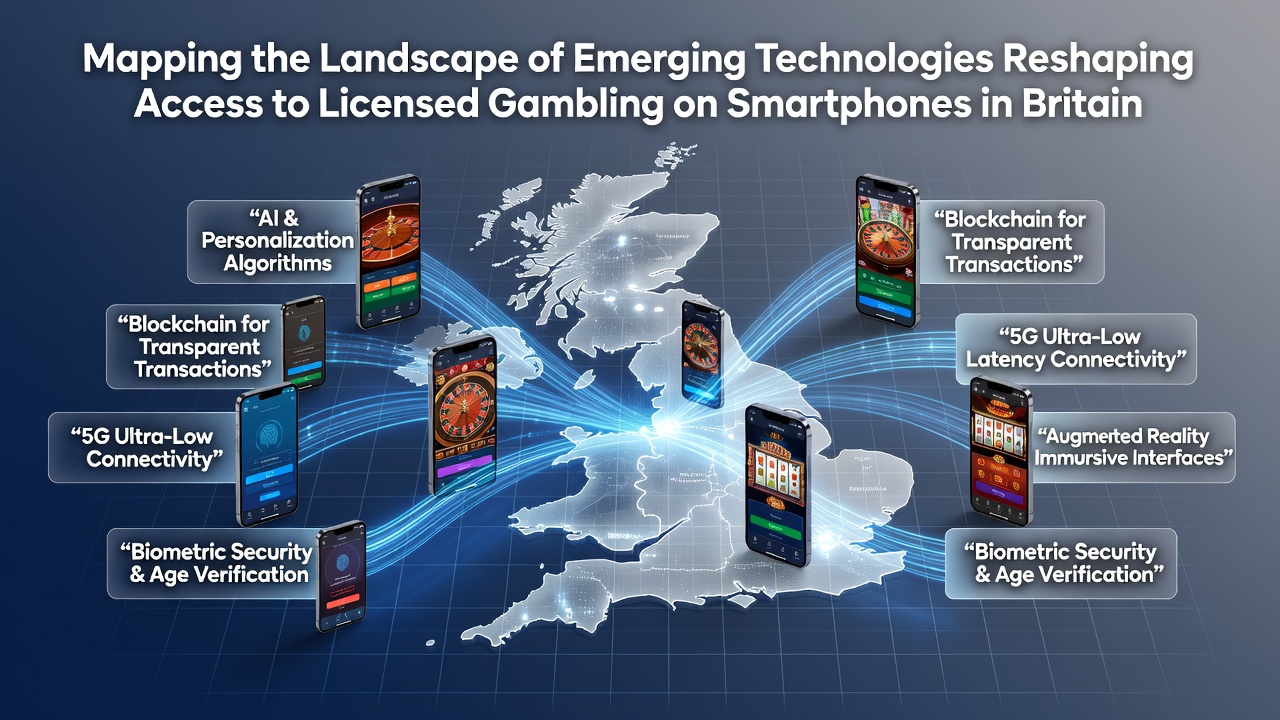
Charting Emerging Innovations in Britain's Licensed Mobile Gambling Access
Britain's licensed gambling sector on smartphones continues to evolve through multiple layers of technological integration, where operators deploy systems that align with regulatory frameworks while expanding user reach, and data from industry reports show steady growth in mobile engagement metrics across the country. Observers note that these developments build on existing infrastructure yet introduce tools capable of handling higher volumes of transactions and verification processes without compromising compliance standards.
Blockchain Applications in Transaction Verification
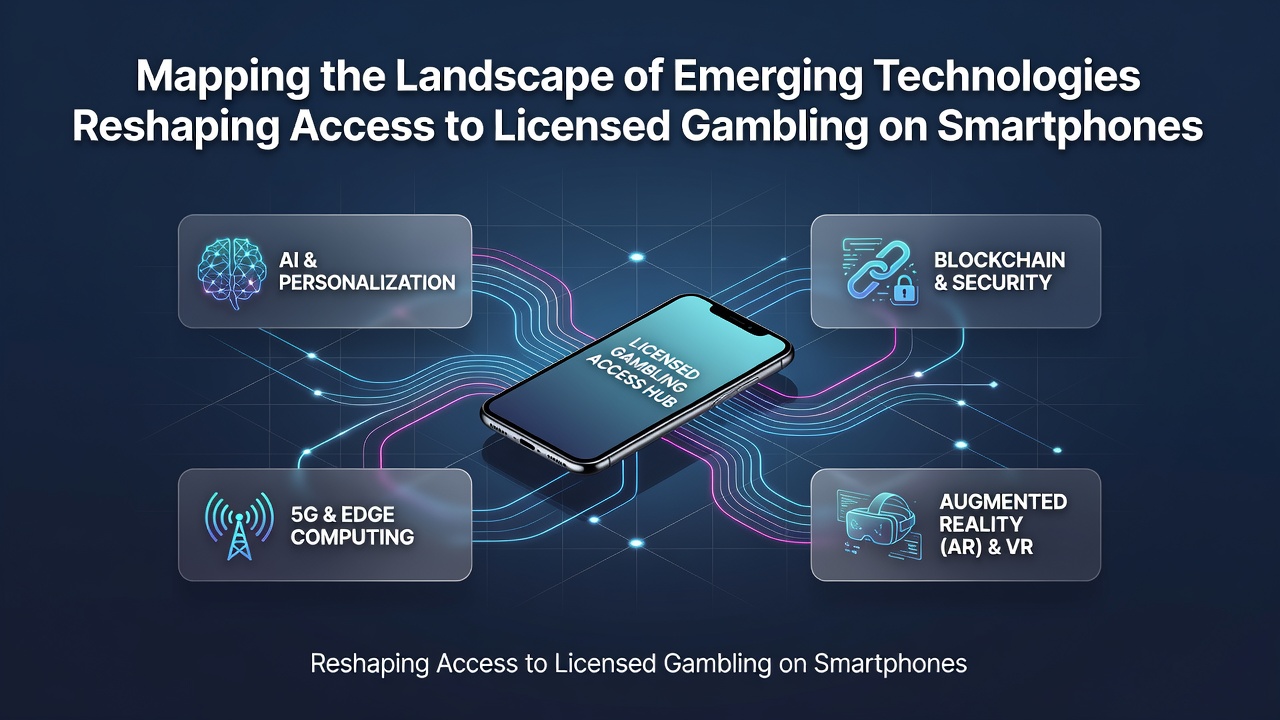
Blockchain platforms now support transaction logging for several licensed operators in Britain, creating immutable records that regulators and users can audit in real time, while studies from the European Gaming and Betting Association indicate adoption rates climbed during 2025 as platforms integrated distributed ledger features for deposit and withdrawal tracking. Those who've examined the rollout point out that such systems reduce reconciliation delays and provide clearer trails for financial oversight bodies. What's interesting is how these ledgers connect with existing payment gateways, allowing seamless verification across multiple smartphone operating systems without requiring additional user steps.
Operators have tested hybrid models that combine blockchain elements with traditional banking rails, and figures reveal transaction completion times dropped in pilot programs conducted through mid-2026. Researchers at various European institutions have documented similar patterns in neighboring markets, where the technology supports cross-border compliance checks when users travel within the EU.
Augmented Reality Layers for Venue Mapping
Augmented reality tools appear in select licensed applications, overlaying digital information onto physical environments through smartphone cameras, and this allows users to locate nearby betting shops or access venue details while on the move. Data collected in urban centers shows increased interaction rates during evening hours when foot traffic peaks around entertainment districts. Experts have observed that these features operate within strict geofencing parameters to maintain licensing boundaries, preventing access outside approved zones.
Developers continue refining markerless tracking so teh overlays function reliably in variable lighting conditions, and October 2026 brought updated software versions that improved stability on mid-range devices. People who've used early versions report smoother navigation through city centers, though full rollout remains phased to allow further testing against data protection requirements.
Cloud-Based Processing for Game Delivery
Cloud computing infrastructure now powers game streaming in several British licensed apps, shifting heavy rendering tasks away from individual handsets and toward remote servers that maintain consistent frame rates regardless of local hardware specifications. Industry analyses indicate this approach cuts average device memory usage by measurable percentages, freeing resources for background verification processes. Those studying adoption patterns note that operators select data centers located within UK borders to satisfy latency and sovereignty rules.
Integration with 5G networks accelerates these streams further, yet the core advantage lies in centralized updates that push new titles to users instantly without app store delays. Academic papers from research groups in Canada highlight parallel efficiencies in other regulated markets, where cloud models support rapid scaling during peak sporting events.
Edge Computing for Real-Time Compliance Checks
Edge computing nodes positioned near mobile networks enable faster identity and spending limit verifications, reducing the round-trip time between user action and system response. Reports compiled by North American regulatory bodies describe comparable implementations that maintain audit logs locally before syncing to central databases. In Britain this setup supports operators handling simultaneous sessions across thousands of devices while staying inside prescribed operational limits.
Engineers have paired these nodes with machine learning classifiers trained on anonymized usage datasets, allowing preemptive flagging of irregular patterns before they reach full transaction stage. The combination yields processing gains documented in pilot data released during the first half of 2026.
Interoperability Standards Across Platforms
Efforts toward standardized APIs now connect different licensed operators with shared verification services, letting users move between applications without repeated registration sequences. Trade association documentation outlines how these protocols emerged from collaborative working groups that included both technology providers and compliance specialists. The result appears in unified dashboard views that aggregate activity across multiple brands under single sign-on frameworks.
October 2026 saw several providers publish updated interface specifications that further streamline data exchange while preserving user consent controls at each step. Observers tracking these changes note measurable reductions in support ticket volumes related to account linking issues.
Conclusion
The landscape of emerging technologies continues to influence how licensed gambling reaches smartphone users in Britain through layered systems that emphasize verification speed, data integrity, and cross-platform consistency. Evidence from multiple sources demonstrates ongoing refinement rather than wholesale replacement of existing structures, and the pace of integration suggests further adjustments will occur as new hardware and connectivity options become available. Those monitoring the sector record these shifts through quantitative metrics that track both adoption and compliance outcomes across successive reporting periods.